
Investment property loans in Geelong
Building a property portfolio is as much about structure as it is about the rate. The way your loan is set up shapes your cash flow, your tax position and how soon you can buy the next place. An experienced broker from our network looks at your whole position, compares lender policy and helps you frame an investment loan that supports your goals across Geelong and the Bellarine.
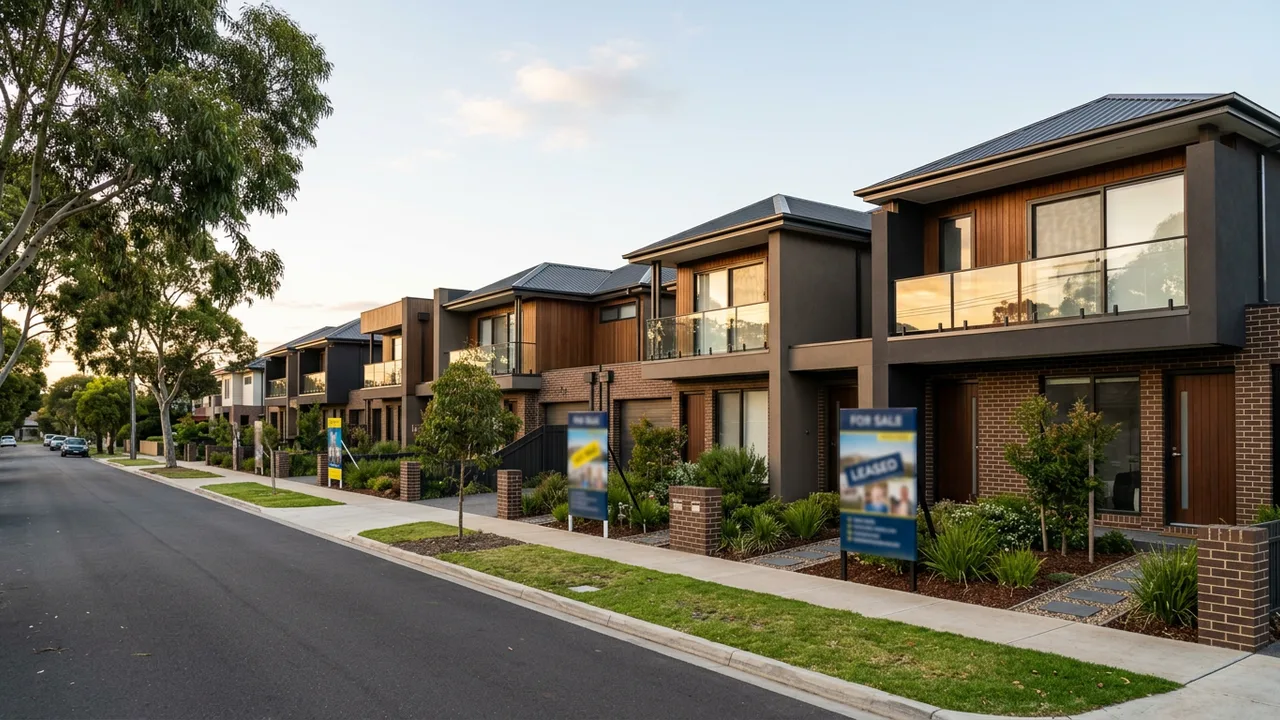
What an investment property loan involves
An investment loan funds a property you intend to rent out rather than live in yourself. On paper it works much like a standard home loan, but lenders treat it differently. Investment rates usually sit slightly above owner-occupier rates, the deposit and equity requirements can be stricter, and lenders weigh the expected rent alongside your own income when they work out what you can borrow. Across Geelong we see investors at very different stages, from a first-time buyer picking up a unit in Corio, to an upgrader using the equity in a Highton home to add a second property, to an owner expanding a small holding along the coast. The right structure looks different for each, and a broker maps the loan to your plan rather than to one lender's default settings.
Getting the structure right early matters because investors often want to keep buying. Choices you make on this loan, such as whether you cross-secure properties, how you hold your savings, and which lender you start with, all affect how easily you can finance the next purchase. A broker thinks a step or two ahead so your first investment loan does not box in your future borrowing.
Interest-only and principal-and-interest repayments
The biggest structural choice is how you repay. With principal and interest (P&I), where each repayment both reduces the loan balance and covers the interest, you steadily pay the debt down and build equity faster. With interest-only (IO), where you pay only the interest for a set period and the loan balance stays put, your repayments are lower in the short term, which can help an investment property hold its own on cash flow. Many investors use an IO period on the investment loan while directing spare cash toward their own home, since debt on a home you live in is not deductible the way investment debt may be. IO is not a free ride, though: the lower payments end after the IO term, repayments step up once the loan reverts to P&I, and lenders assess IO loans more conservatively. A broker walks you through the trade-off so the repayment type fits both your cash flow and your longer plan.
Offset accounts and redraw on an investment loan
How you hold your spare cash can be as important as the loan itself. An offset account is an everyday transaction account linked to your loan, where the balance is subtracted from the loan amount before interest is charged, so $20,000 sitting in offset on a $500,000 loan means you are only charged interest on $480,000. Redraw is similar in effect but works differently: it lets you pull back extra repayments you have already made above the minimum. For investors the distinction can matter, because parking surplus funds in an offset rather than paying down the loan directly tends to keep your options cleaner if you later turn the property into your home or refinance. A broker explains how each lender treats offset and redraw on an investment loan, since the rules and fees vary, and helps you set up the loan so your cash works without locking you out of it.
Using existing equity to fund a deposit
Many Geelong investors never save a fresh cash deposit at all. Instead they tap the equity in a property they already own. Equity is the share of a property you own outright, the value above what you still owe, and lenders will usually let you borrow against the usable portion of it, commonly up to about 80% of the value across your loans before lenders mortgage insurance (LMI), the one-off insurance you pay when borrowing above 80%, comes into play. That released equity then becomes the deposit and costs on the next purchase. With strong growth in suburbs like Newtown, Belmont and Ocean Grove over recent years, plenty of owners are sitting on more usable equity than they realise. A broker reviews your current loan, works out how much equity you can safely access without overstretching, and structures the release so the two properties stay as separate as possible.
Serviceability, DTI limits and the APRA buffer
Before any of this, the lender has to be satisfied you can afford the loan. They test your serviceability, your ability to meet repayments from your income and expected rent after living costs and other debts. Two things tighten this for investors. First, many lenders apply a debt-to-income (DTI) cap, where your total borrowings are measured as a multiple of your gross annual income, with some lenders drawing the line around six or seven times income. A growing portfolio pushes that ratio up quickly. Second, lenders are required by APRA (the Australian Prudential Regulation Authority, the banking regulator) to assess your repayments at roughly 3% above the actual rate, so the figure a bank will lend can sit well below what a basic online calculator suggests. Lenders also do not count every dollar of rent, typically shading it to allow for vacancies and costs. Because each lender weighs rent, existing debt and DTI differently, the same application can return very different limits from one to the next, which is exactly where comparing the panel earns its keep.
Rentvesting and the Geelong rental landscape
Some buyers, especially younger ones, choose to rent where they want to live while owning an investment somewhere more affordable, an approach known as rentvesting. It lets you get into the market sooner without giving up the lifestyle of a suburb you could not yet buy in. Geelong suits this well because its sub-markets are so varied. Value-focused investors often look north to Corio and Norlane, where lower entry prices can support a stronger rental yield, the annual rent as a percentage of the property's value. On the coast, Ocean Grove and Torquay draw a mix of holiday and permanent demand, which shapes both rent levels and vacancy patterns through the year. Family-home rentals tend to be steadiest in established middle suburbs like Grovedale and Leopold, where tenants stay put for school catchments and easy access to the Ring Road. A broker cannot tell you which suburb to buy in, but understanding how a lender views the rent from each type of property helps you finance the strategy you settle on.
Negative and positive gearing, in general terms
You will hear the words negative and positive gearing constantly around investment property. Put simply, a property is positively geared when the rent it earns is more than the costs of holding it, and negatively geared when the costs, including loan interest, outweigh the rent so the property runs at a loss. Each has cash-flow and tax implications, and which one suits you depends entirely on your income, your goals and your wider tax position. This is genuinely a question for a qualified accountant or tax adviser, not for a mortgage broker and not for this website. What a broker can do is structure the loan so that whichever approach you and your accountant land on, the finance supports it cleanly, with interest, offset and repayment type set up to match.
How the Geelong investment loan review works
Submit the short form with your deposit or available equity, your income and the kind of investment you have in mind. A broker in our network reviews your position, talks through loan structure, repayment type and how your existing property might fund the deposit, and compares the lender panel for the fit. If you decide to proceed, lender-paid commissions, broker costs and authorisation details should be disclosed to you in writing. The broker who assists you provides regulated credit advice.
Information on this page is general only and does not take into account your individual situation, objectives or needs, and it is not credit advice or tax advice. Seek independent professional advice, including from a qualified accountant on any tax or gearing question, before acting. Any indication of borrowing power on this website is not an offer of credit and is subject to the lender's credit criteria, serviceability assessment, valuation and approval.
Loan review
Ready to structure your next Geelong investment loan?
Submit the form to review your equity, deposit and lender options.
Investment Property Loans across Geelong
Pick your suburb for the local notes, or submit the form for a free review.